Are Gutter Guards Worth It in Georgia? What Homeowners Need to Know This Spring
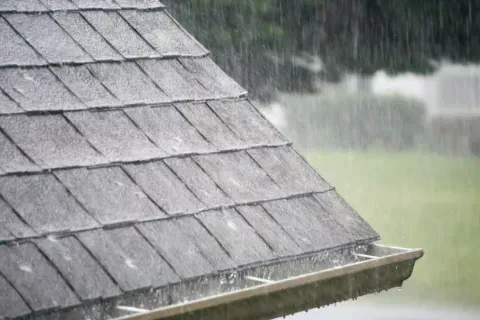
As spring arrives in Georgia, so do heavy rains, falling pollen, and clogged gutters. While many homeowners focus on their roof, your gutter system plays just as critical a role in protecting your home.
If you’re constantly cleaning out debris or dealing with overflowing gutters, you may be wondering:
Are gutter guards actually worth it?
At 4H Roofing, we help homeowners across Georgia—including Zebulon, Macon, and Thomaston—protect their homes with professional gutter installation, cleaning, and gutter guard solutions.
Why Gutters Matter More in Spring
Spring in Georgia brings:
- Heavy rainstorms
- Pollen buildup
- Leaves and debris from surrounding trees
When your gutters can’t properly drain water, it can lead to:
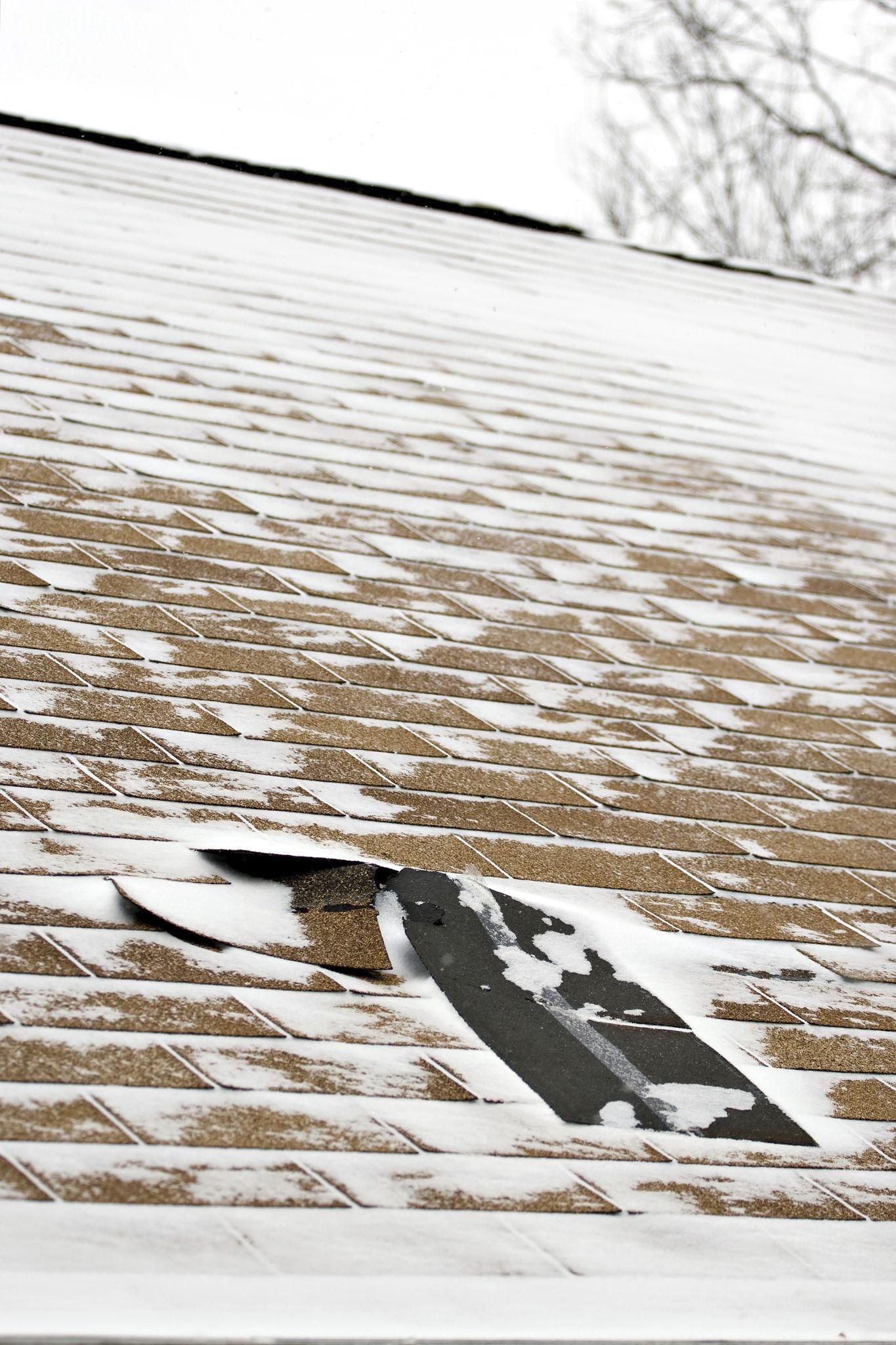
- Roof damage
- Foundation issues
- Wood rot on fascia and soffits
- Landscape erosion
👉 Learn more about our gutter services
If you’re located in:
…our team is ready to help with fast, reliable service.
The Problem With Clogged Gutters
Clogged gutters are more than just a nuisance—they’re a serious risk to your home.
Common issues include:
- Water overflowing onto your roof
- Pooling water around your foundation
- Pest infestations (mosquitoes, ants, etc.)
- Hidden structural damage over time
In areas like Macon and Thomaston, where tree coverage is common, gutters can clog even faster during spring.
What Are Gutter Guards?
Gutter guards are protective systems installed over your gutters to prevent debris from entering while still allowing water to flow through.
There are several types, including:
- Mesh screens
- Micro-mesh systems
- Reverse curve guards
- Foam inserts
Each has its pros and cons, but the goal is the same: reduce clogging and improve water flow.
Are Gutter Guards Worth It in Georgia?
For most homeowners—the answer is yes, especially in areas like Zebulon and Thomaston where leaves and debris are common.
Benefits of Gutter Guards:
- Reduce the need for frequent cleaning
- Prevent clogs and water overflow
- Extend the life of your gutter system
- Help protect your roof and foundation
- Keep pests and debris out
When They Might Not Be Necessary:
- Homes with minimal tree coverage
- Well-maintained gutters with regular cleaning
Even then, many homeowners choose gutter guards for convenience.
Professional Installation Matters
Not all gutter guard systems are created equal—and improper installation can actually cause more harm than good.
At 4H Roofing, we ensure:
- Proper fit for your existing gutter system
- Optimal water flow and drainage
- Long-term durability
Schedule service or get a quote:
https://4hroofing.com/contact
Signs You Need Gutter Guards (or Gutter Service)
You may benefit from gutter guards if you notice:
- Gutters overflowing during rain
- Plants or weeds growing in gutters
- Frequent clogging
- Water pooling near your home
- Sagging or damaged gutters
If you’re seeing these issues in Macon, Zebulon, or Thomaston, it’s time to take action this spring.
Spring Is the Best Time to Upgrade Your Gutters
April is the ideal time to:
- Clean and inspect your gutters
- Install gutter guards before summer storms
- Prevent long-term water damage
Don’t wait until a problem shows up—by then, repairs can be much more expensive.
Protect Your Home With 4H Roofing
Whether you need gutter cleaning, repairs, or gutter guard installation, our team is here to help.
FAQ: Gutters & Gutter Guards in Georgia
Do gutter guards really work?
Yes, gutter guards significantly reduce debris buildup and help maintain proper water flow, though they may still require occasional maintenance.
How often should gutters be cleaned without guards?
Typically 2–4 times per year, especially in areas with heavy tree coverage.
Can gutter guards prevent all clogs?
No system is 100% maintenance-free, but gutter guards greatly reduce the frequency and severity of clogs.
Are gutter guards worth the investment?
For most homeowners in Georgia, they save time, reduce maintenance, and help prevent costly damage.
Do gutter guards help protect your roof?
Yes, by preventing water backup and overflow, they reduce the risk of roof and structural damage.