How do I know if my roof has storm damage?
Common signs include missing shingles, granule loss, water stains on ceilings, or shingles found in your yard after a storm. A professional roof inspection can confirm hidden damage.
How soon should roof storm damage be repaired?
Roof storm damage should be inspected as soon as possible. Delaying repairs can lead to roof leaks, interior water damage, and more expensive repairs.
Will homeowners insurance cover roof storm damage?
In many cases, homeowners insurance policies cover roof damage caused by wind, hail, or severe storms. A roofing contractor can help document the damage for your insurance claim.
How often should a roof be inspected in Central Georgia?
Most roofing professionals recommend at least one inspection per year and after any major storm to ensure your roof is still protecting your home properly.
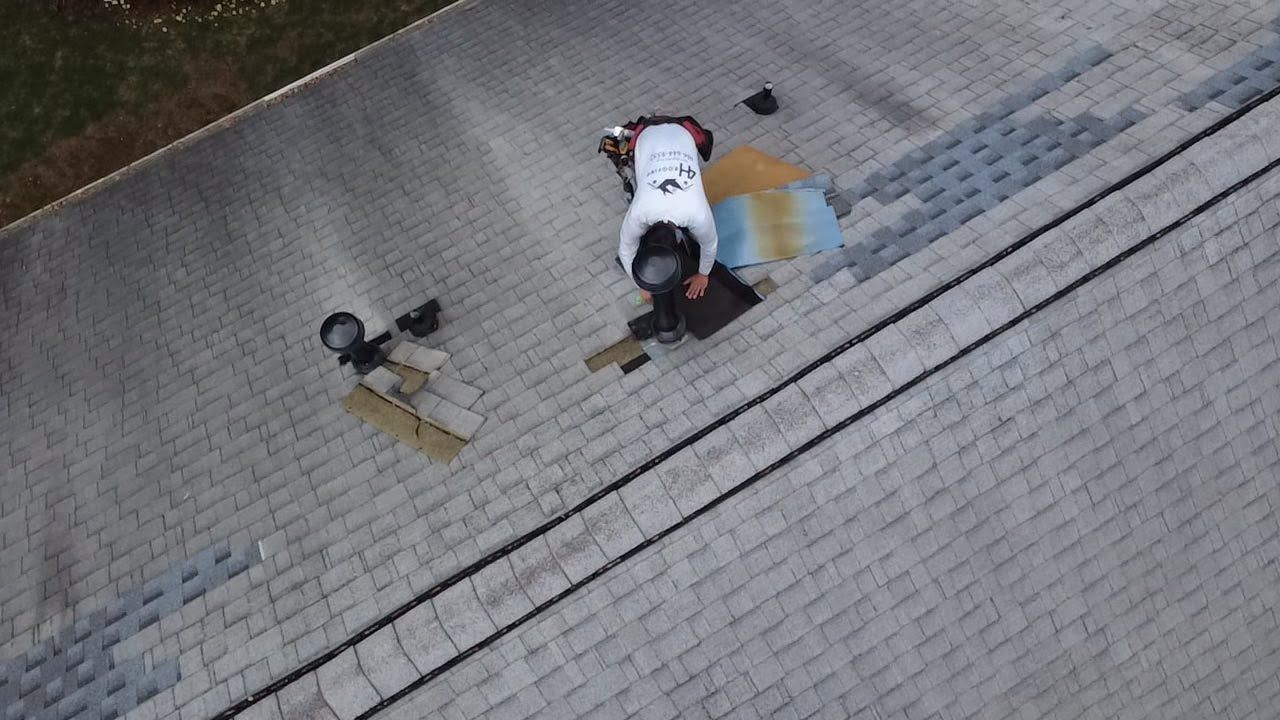
Learn why proper roof and attic ventilation matters for Georgia homes and the warning signs that your ventilation may need attention.
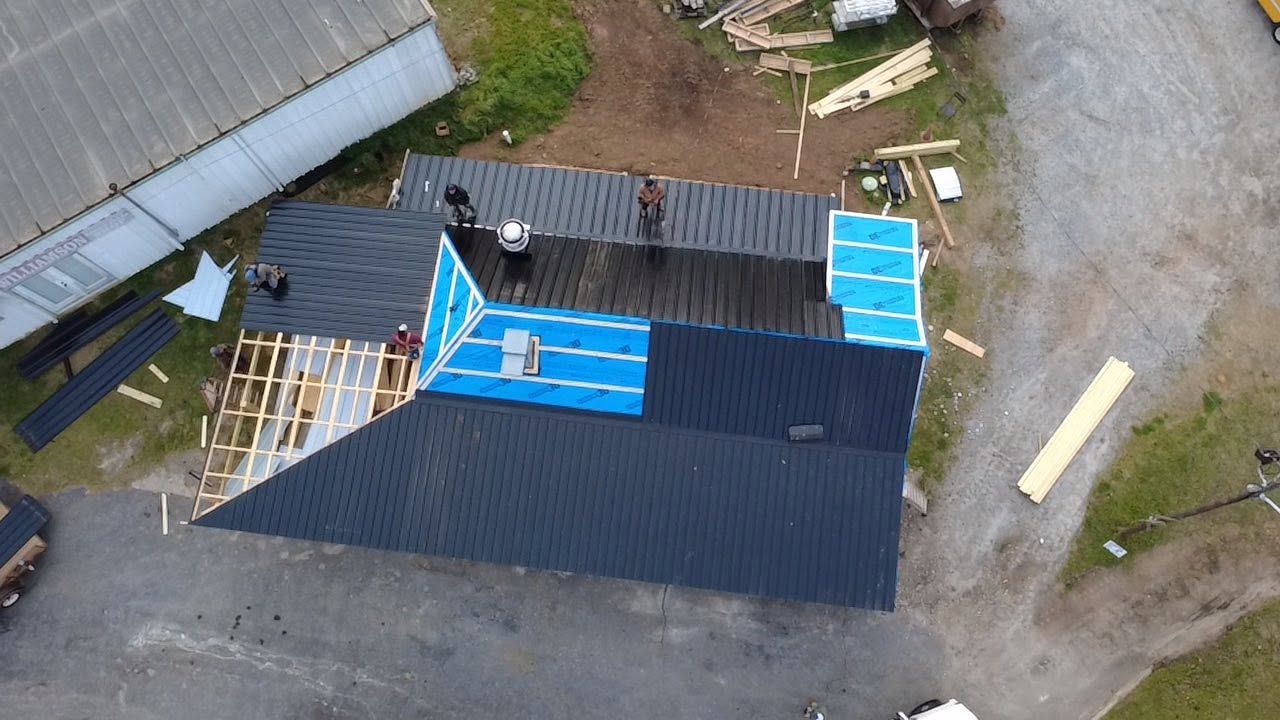
Learn what Georgia business owners should know about commercial roof repairs, maintenance, inspections, and replacement.
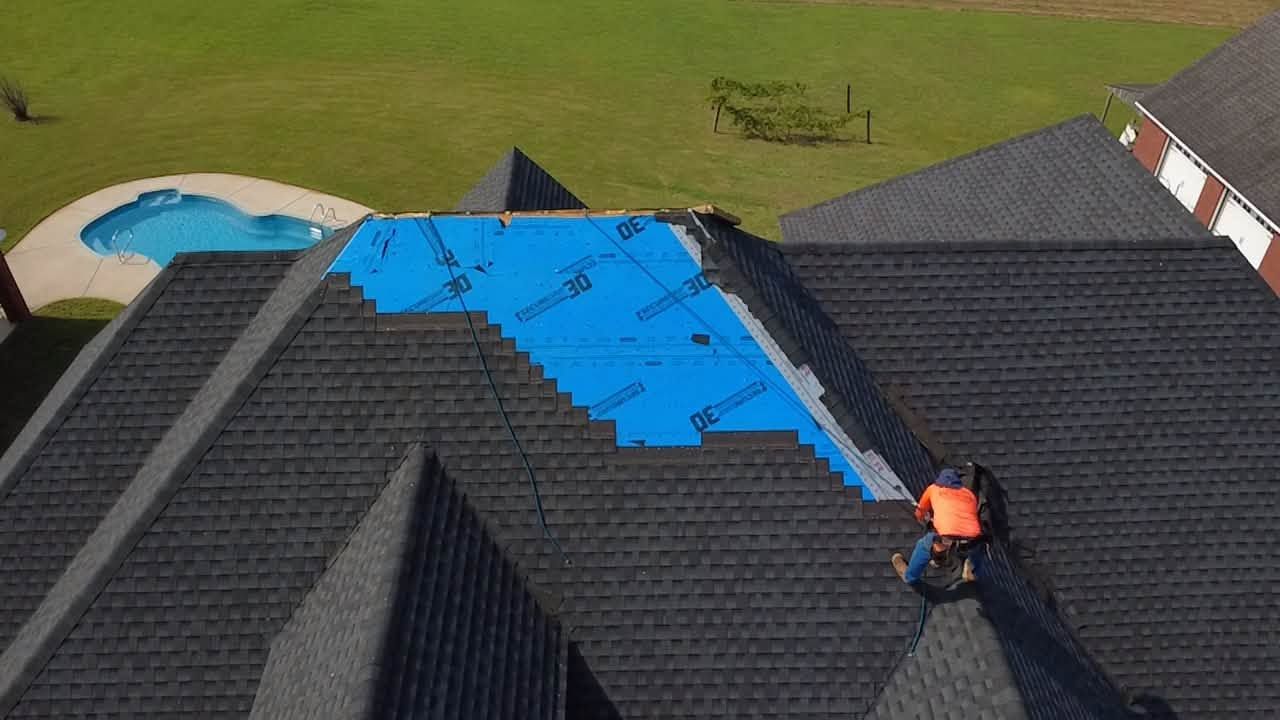
Learn the top signs it's time to replace your roof instead of repairing it. Expert roofing advice for Central Georgia homeowners.
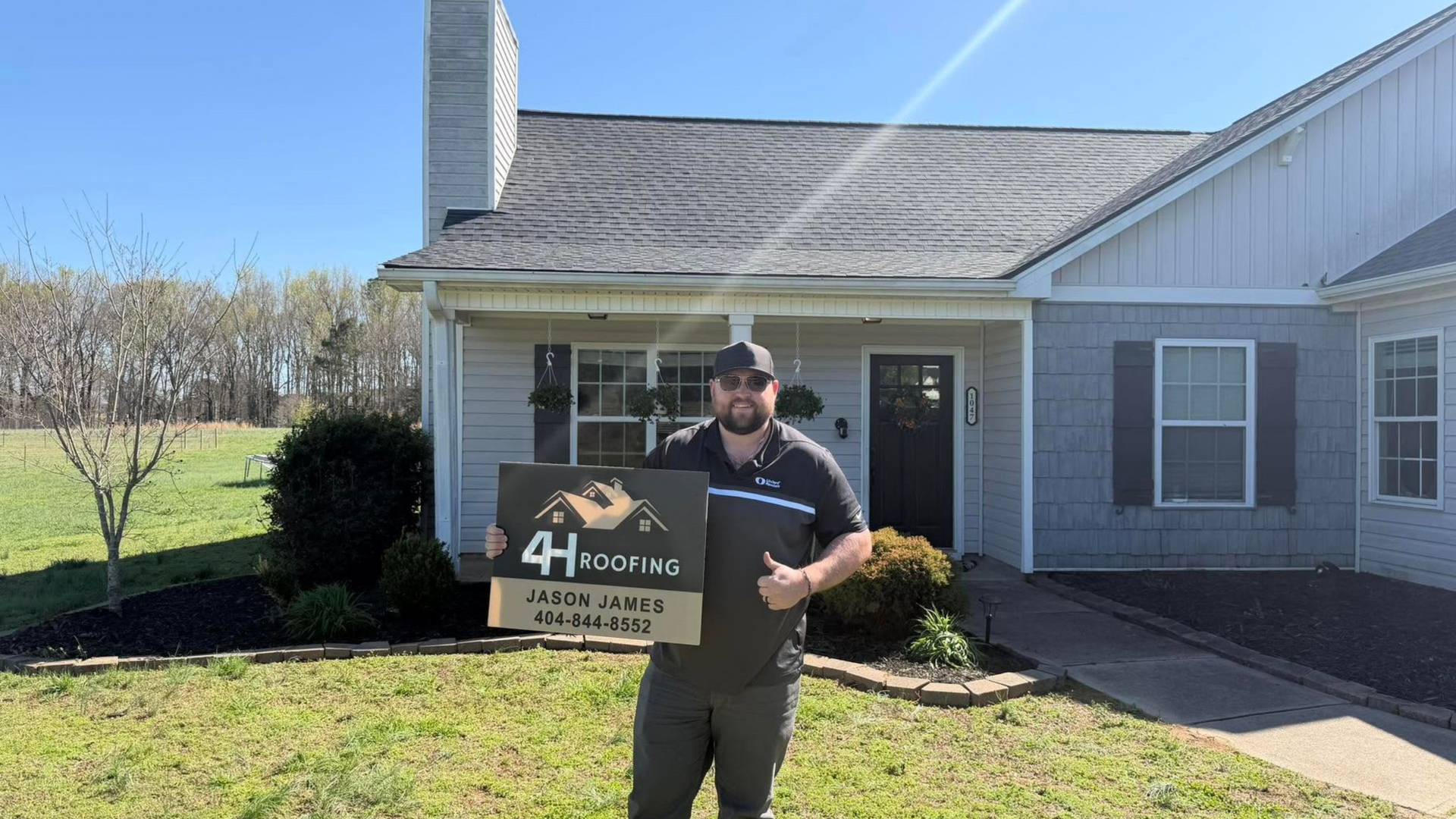
Georgia's summer heat can shorten your roof's lifespan. Learn the warning signs and how to protect your home with these roofing tips.
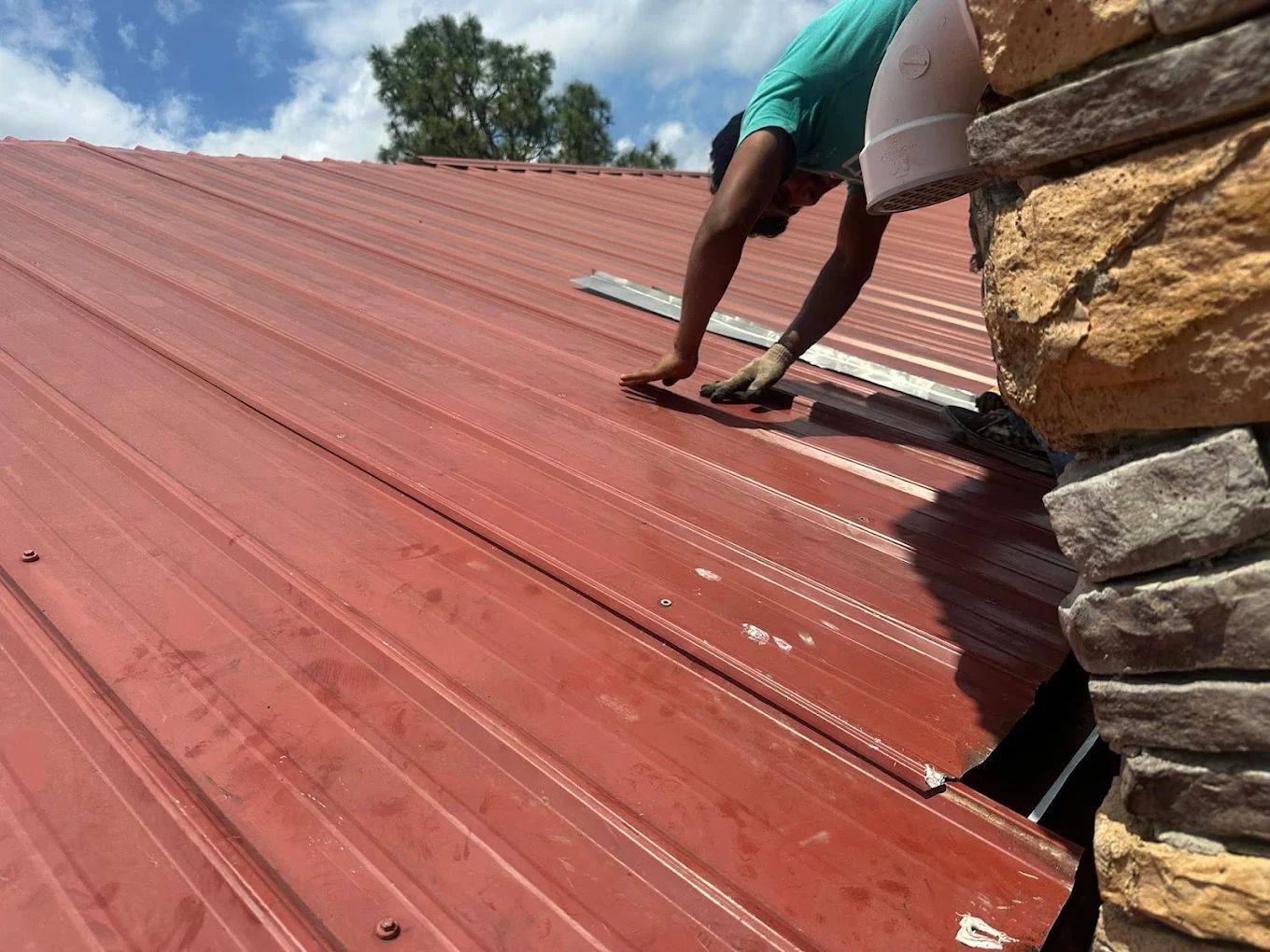
Learn why more Central Georgia homeowners are choosing metal roofing for durability, energy efficiency, and long-term value.
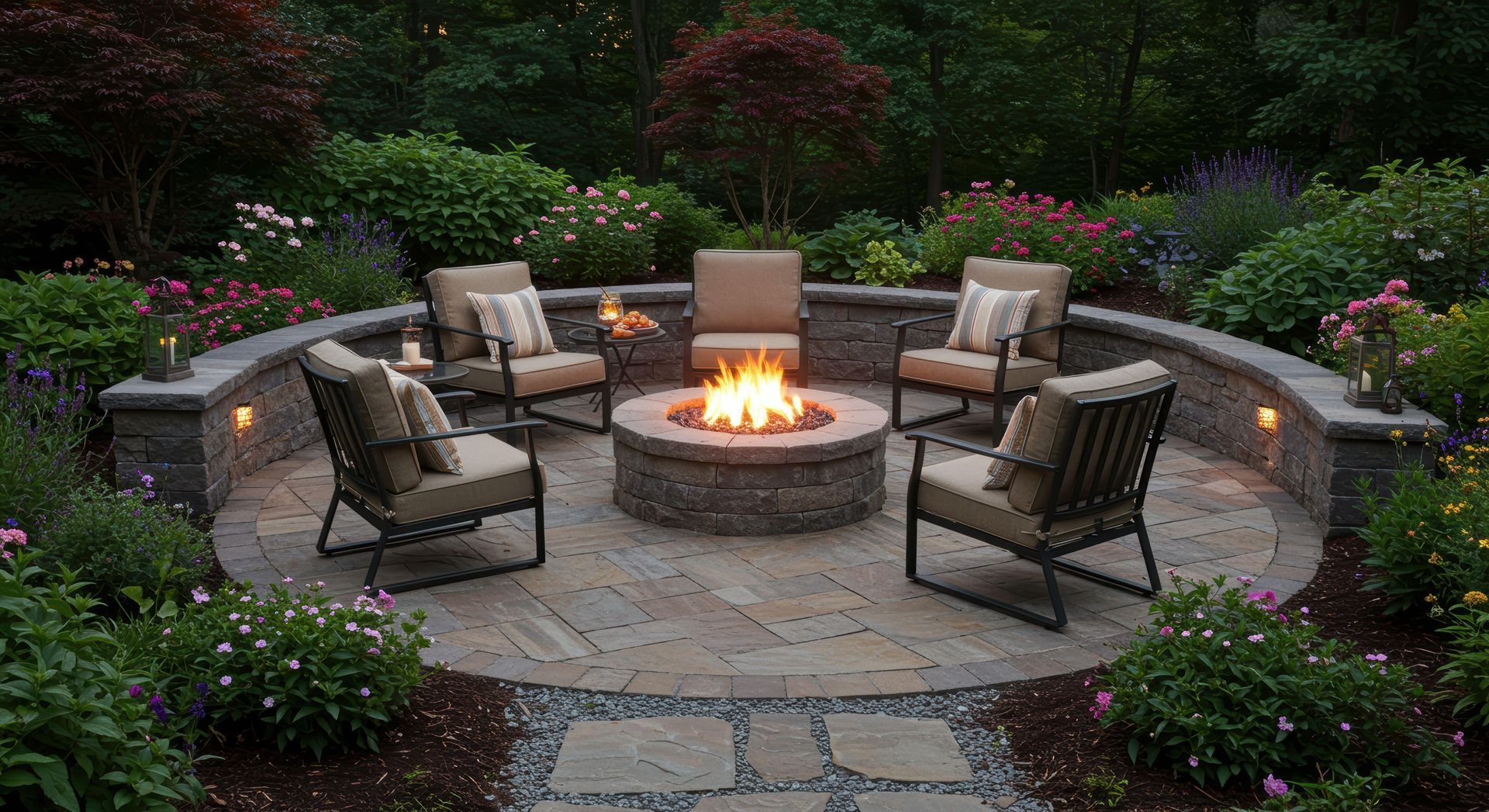
Upgrade your outdoor living space with durable concrete patios, driveways, and more. Serving Zebulon, Macon, and Thomaston. Get a free quote today!
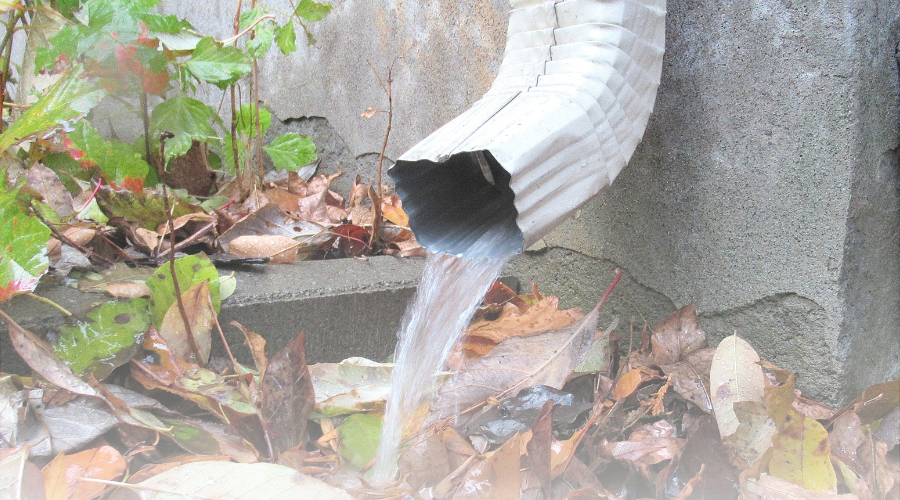
Are gutter guards worth it in Georgia? Learn how they prevent clogs, protect your home, and reduce maintenance this spring.
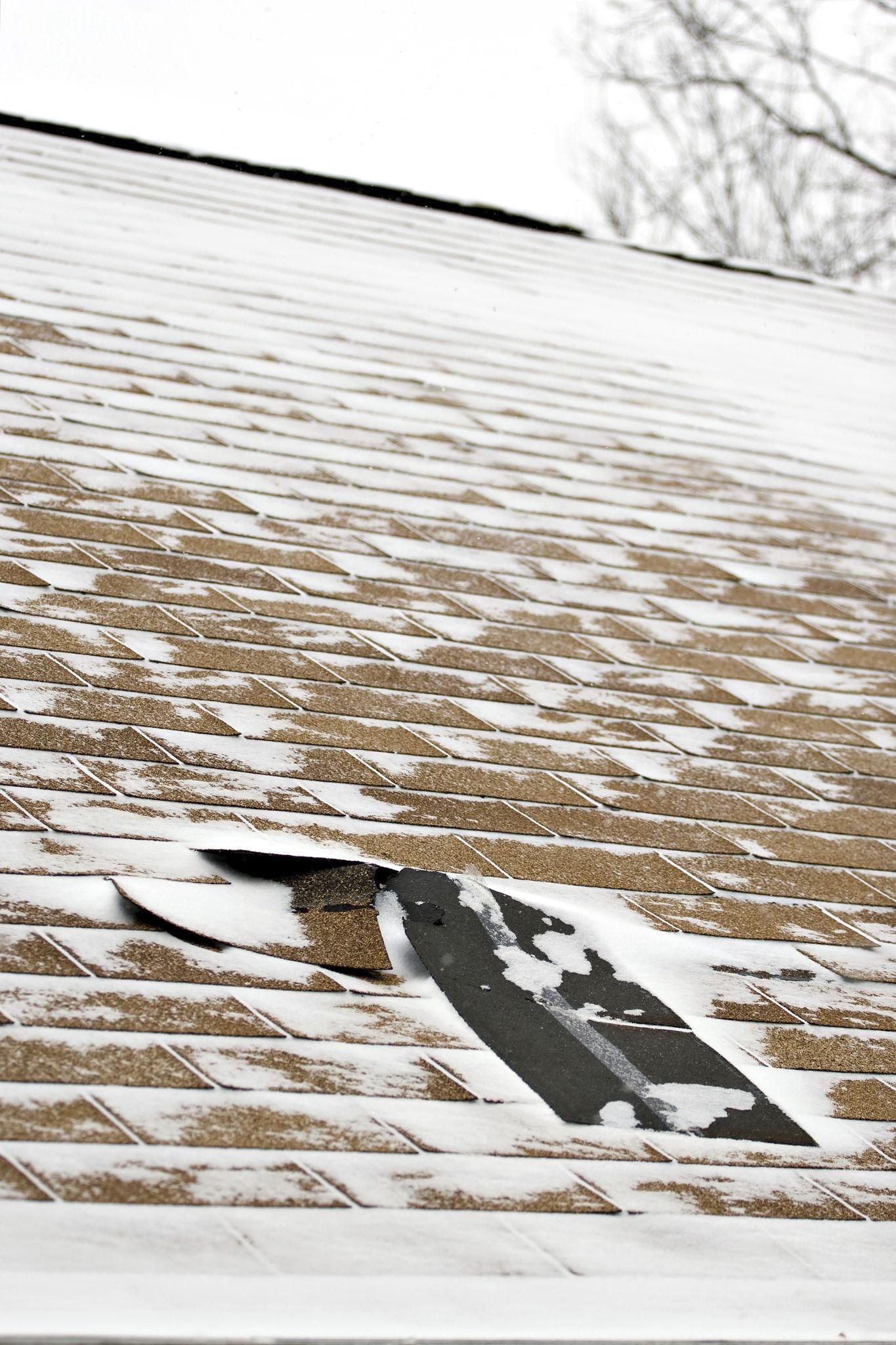
Can snow or freezing temperatures damage your roof in Georgia? Learn what to check after winter weather and when to schedule a free roof inspection.
Start the year with a strong roof. Follow our January roofing checklist for Georgia homeowners, including winter damage checks, inspections, and maintenance tips.
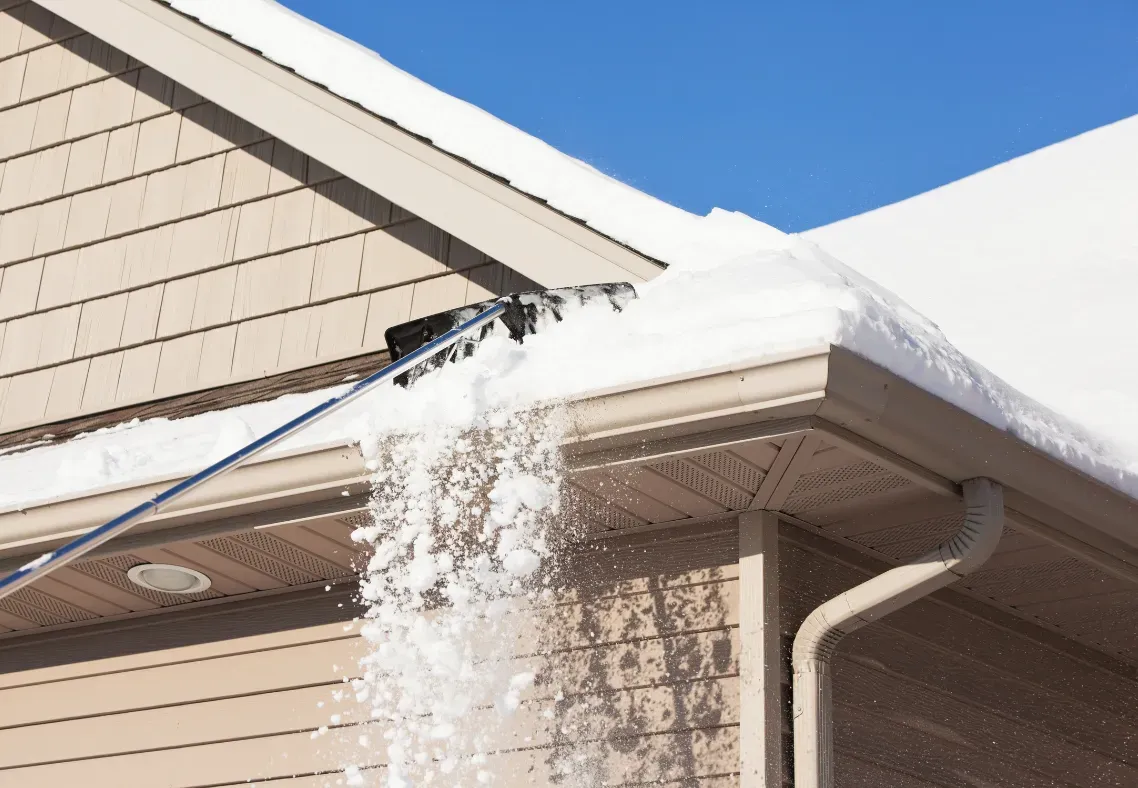
Learn common causes of winter roof leaks in Georgia and how to prevent them with expert tips from 4H Roofing.